From Knowledge Transfer to Skill Mastery
Practical Competence Built in Digital Spaces
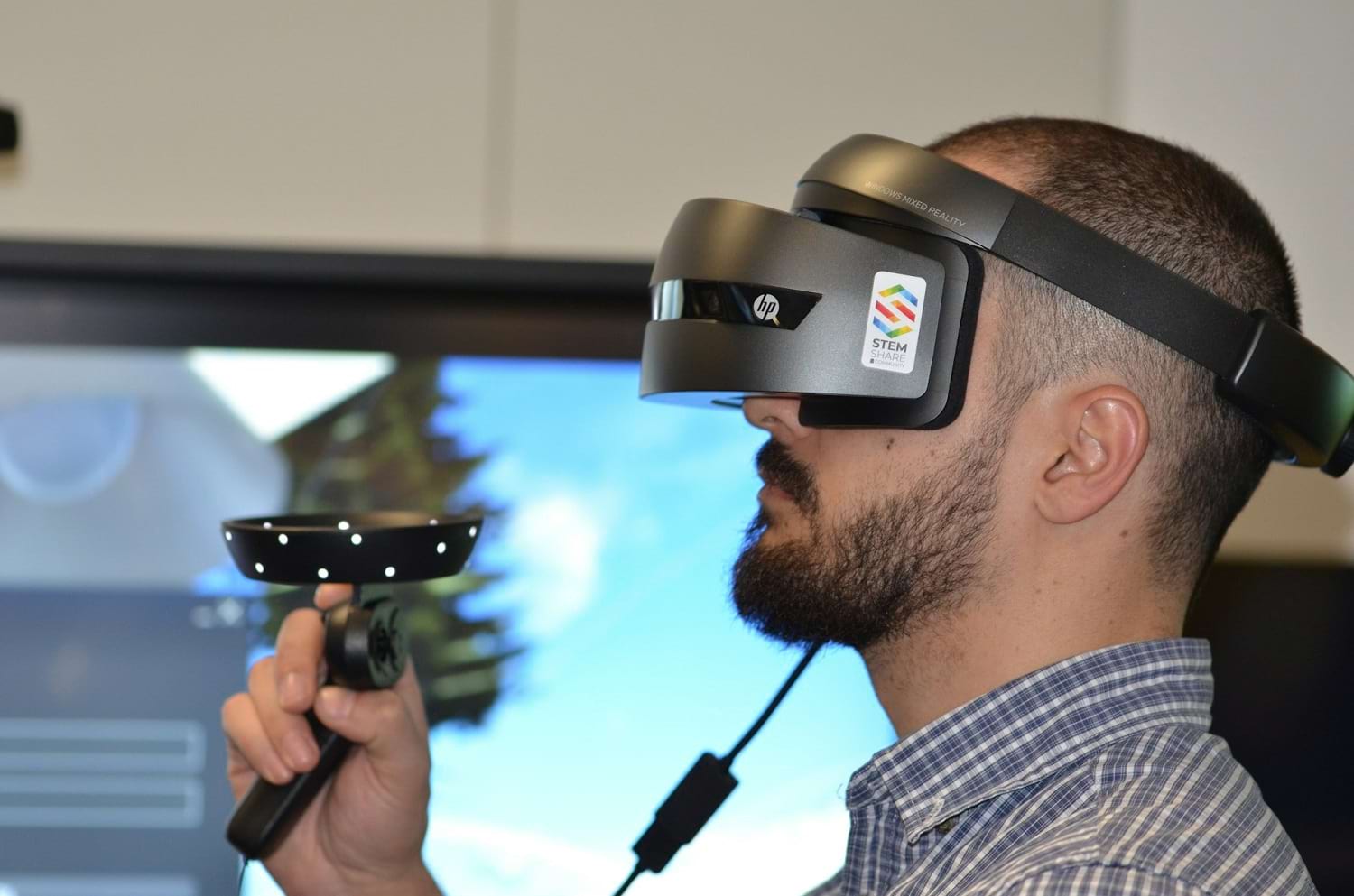
Professional education increasingly focuses on the ability to perform tasks, not only to understand theory. VR training supports this shift by allowing employees to rehearse complex activities in interactive digital settings that closely resemble real workplaces. Instead of relying on descriptions or demonstrations, learners actively engage with scenarios that demand attention, decision-making, and precise execution. This method strengthens procedural memory and helps reduce anxiety related to high-risk or high-responsibility tasks, as individuals gain confidence before facing real situations.

Standardization, Compliance, and Risk Reduction
Another important aspect of VR training is its contribution to organizational consistency and compliance. Companies operating in regulated industries must ensure that procedures are followed accurately and uniformly. Virtual scenarios can be designed to reflect internal standards, legal requirements, and safety protocols, allowing employees to practice correct behavior repeatedly. This reduces the likelihood of errors caused by misunderstanding or lack of experience. At the same time, training managers gain better oversight, as progress and performance can be tracked and analyzed in a structured way.
Organizational Impact and Strategic Advantages
Data-Driven Insights and Performance Analysis
Beyond the learning experience itself, VR Training generates valuable data that supports strategic decision-making. Every interaction within a simulation can be measured, from reaction time to accuracy and completion rates. These insights allow organizations to identify skill gaps, optimize training content, and align development programs with real performance needs. Compared to traditional methods, this data-driven approach provides clearer evidence of training effectiveness and helps justify long-term investment in advanced learning technologies.
Collaboration, Accessibility, and Long-Term Vision
VR training also opens new possibilities for collaboration and accessibility. Distributed teams can train together in shared virtual spaces, regardless of geographic location, strengthening communication and teamwork. This is particularly valuable for global organizations seeking unified practices across regions. Looking ahead, continued integration with artificial intelligence, cloud platforms, and sensory technologies will further expand the scope of virtual learning. As these capabilities mature, VR training becomes not only a tool for education, but a strategic platform supporting adaptability, resilience, and sustained organizational growth.
Author Profile

Latest entries
 UncategorizedJanuary 20, 2026Redefining Professional Learning Through Virtual Environments
 UncategorizedJanuary 19, 2026Binder Magnete – Over a Century of Industrial Excellence
 TechnologyJanuary 16, 2026Staying Safe While Working at Height: Practical Habits That Really Matter
 HomeJanuary 14, 2026Finestre e porte in PVC: comfort, sicurezza e funzionalità
